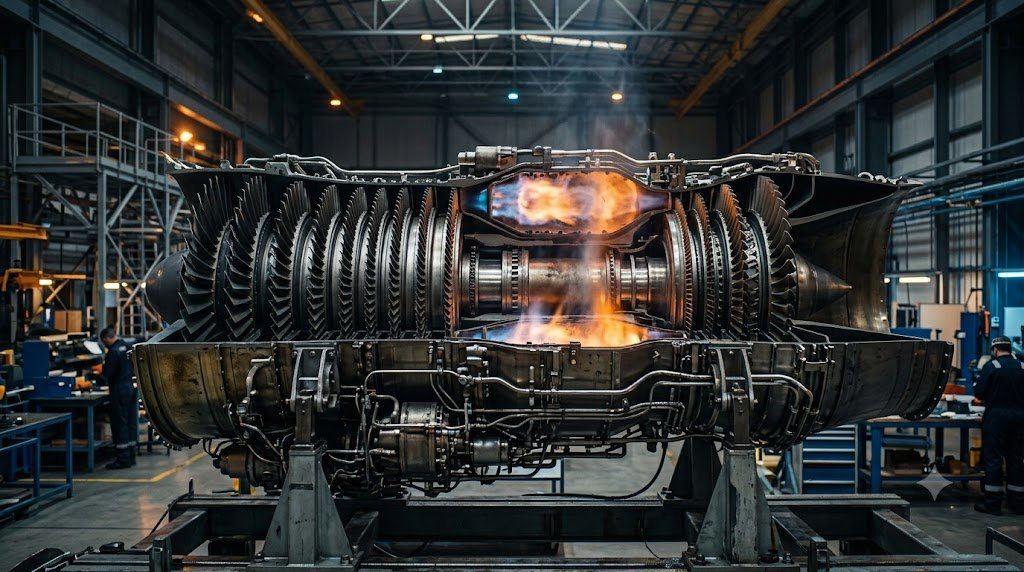
Turbofan vs Turboprop Engines: Why Different Aircraft Use Different Power Systems
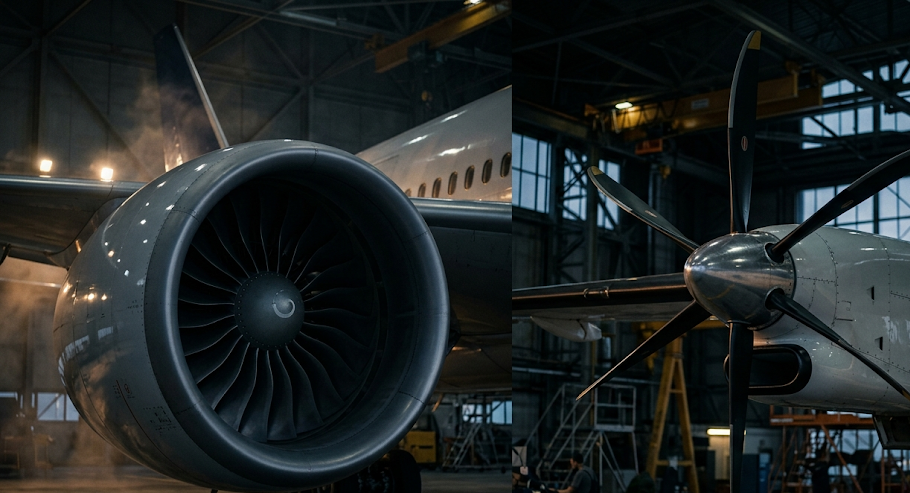
AVIATION ENGINEERING / AIRCRAFT PROPULSION Two Engine Designs. Two Very Different Flying Missions. Explore how turbofan and turboprop engines generate thrust, why their efficiency changes with speed, and how aircraft manufacturers choose the right propulsion system. JET PROPULSION PROPELLER SYSTEMS FLIGHT EFFICIENCY Watch aircraft departing a busy airport, and you may notice two very different … Read more

FADEC Systems: Dual-Channel Engine Control Units, Active Clearance and Fuel Metering Hydraulics

In modern aerospace propulsion, pilot throttles are completely decoupled from mechanical fuel valves. Engine thrust management, transient surge protection, turbine blade clearance control, and compressor variable guide vane scheduling are commanded autonomously by the Full Authority Digital Engine Control (FADEC) system. Operating through dual redundant electronic engine control (EEC / ECU) computers mounted directly on … Read more

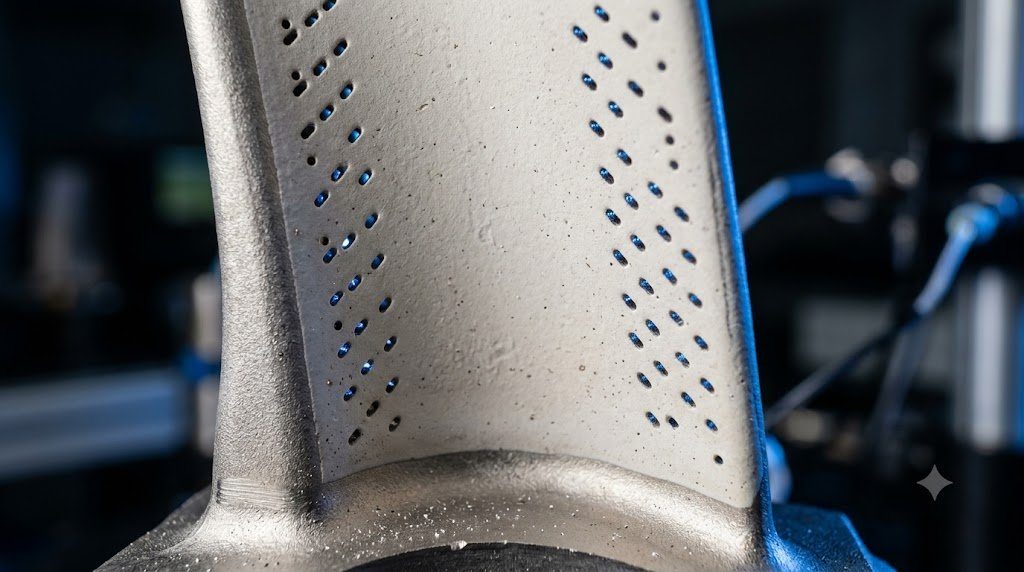
Turbine Blade Metallurgy: Single-Crystal Nickel Superalloys, Thermal Barrier Coatings and Film Cooling

The high-pressure turbine (HPT) stage of an advanced aerospace turbofan represents the most severe thermodynamic and structural environment in modern engineering. Operating downstream of the annular combustor, HPT rotor blades rotate at speeds exceeding 12,000 to 15,000 RPM, enduring centrifugal tensile stresses of 250 to 350 MPa while bathed directly in gas streams that exceed … Read more

High-Bypass Turbofan Engineering: Carbon-Titanium Fan Blades, Nacelle Aerodynamics and Geared Architectures

Modern commercial aviation relies almost exclusively on the High-Bypass Turbofan engine to power global transport networks. Generating upwards of 80% to 90% of total aircraft thrust purely from its massive front fan bypass stream rather than the core exhaust, the high-bypass turbofan accelerates a vast mass of air relatively slowly, maximizing Froude propulsive efficiency while … Read more

Gas Turbine Aerothermodynamics: Ideal Brayton Cycles, Polytropic Compression and Propulsive Efficiency

In the physical science of modern aerospace propulsion, aircraft gas turbine engines represent open-cycle, continuous-flow thermal machines designed to transform chemical enthalpy locked within hydrocarbon jet fuel into high-momentum kinetic exhaust jets. First conceptualized by John Barber and brought to practical reality by Frank Whittle and Hans von Ohain, the foundational thermodynamic cycle governing all … Read more