Why Aircraft Wings Flex: How Materials and Design Handle Flight Loads
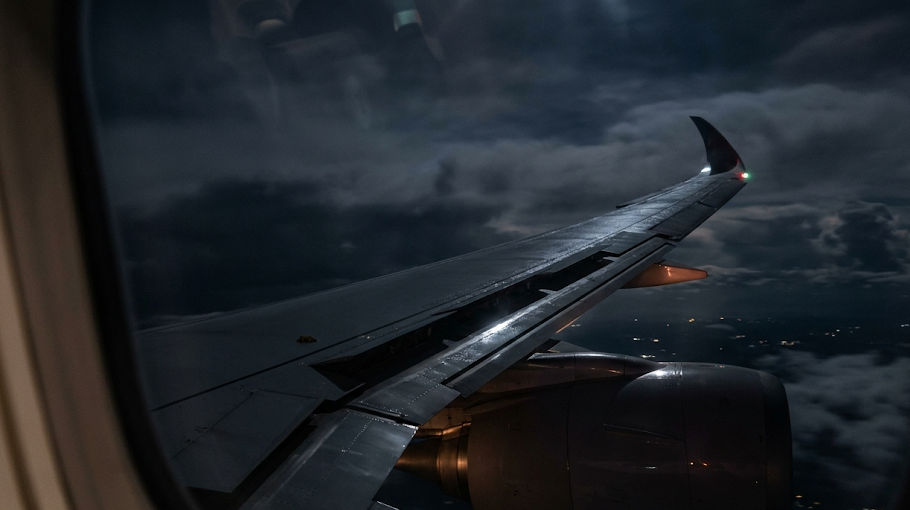
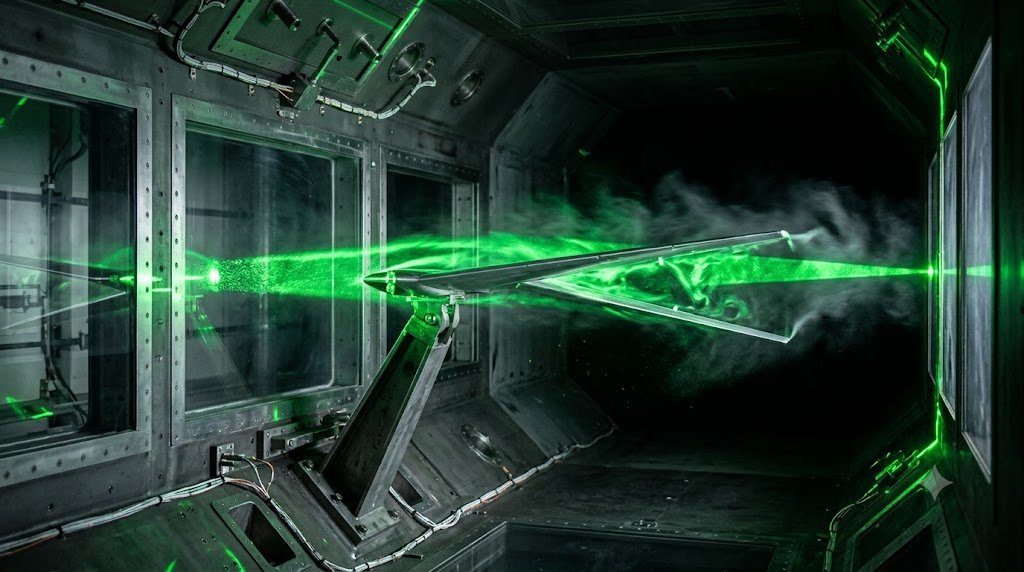
AEROSPACE ENGINEERING / AIRCRAFT STRUCTURES The Engineering Behind Flexible Aircraft Wings Discover why aircraft wings bend during flight, how structural materials carry enormous forces, and why controlled flexibility is an important part of modern aircraft design. WING FLEX FLIGHT LOADS COMPOSITE MATERIALS Look out of an airplane window during takeoff or while flying through turbulence, … Read more
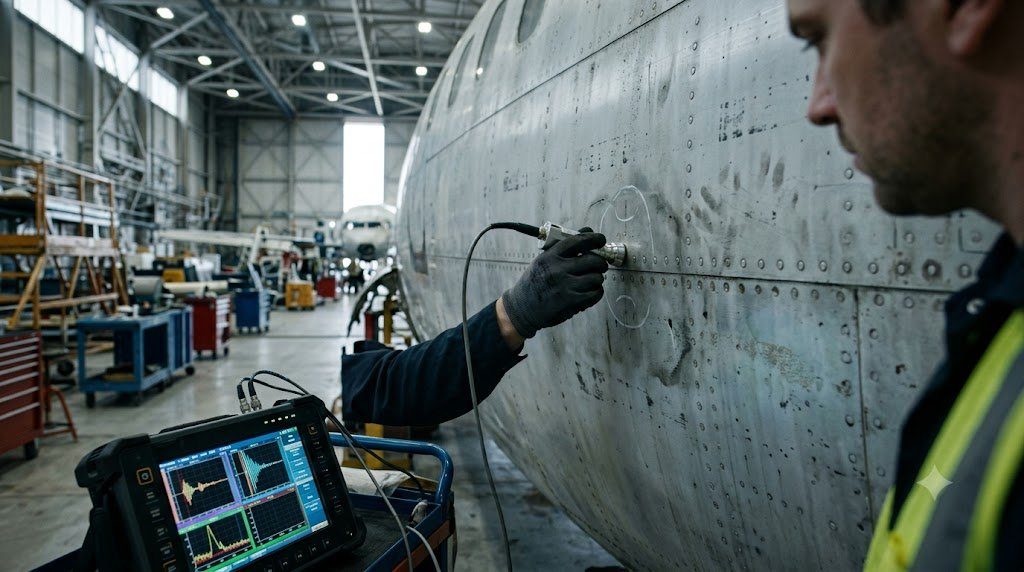
Damage Tolerance and Fracture Mechanics: Paris’ Law Crack Growth, Widespread Fatigue and Fail-Safe Design

In the historical development of civil transport aviation, structural design philosophies have evolved through three distinct regulatory paradigms: from nineteenth-century ‘Safe-Life’ (retiring components after arbitrary flight hours), to ‘Fail-Safe’ (providing multiple structural load paths), and finally to the contemporary international regulatory benchmark: Damage Tolerance Philosophy (FAA 14 CFR 25.571 and EASA CS-25). Damage tolerance acknowledges … Read more

Structural Aeroelasticity: Wing Flutter Dynamics, Divergence Speeds and Limit-Cycle Oscillations

In the structural design of aircraft wings, control surfaces, and empennage assemblies, designing purely for static structural strength is catastrophic if dynamic aeromechanical coupling is ignored. Aircraft wings are flexible elastic bodies that bend and twist under aerodynamic loads. When aerodynamic forces, structural elastic restoring forces, and inertial mass forces interact dynamically, a violent, self-excited … Read more

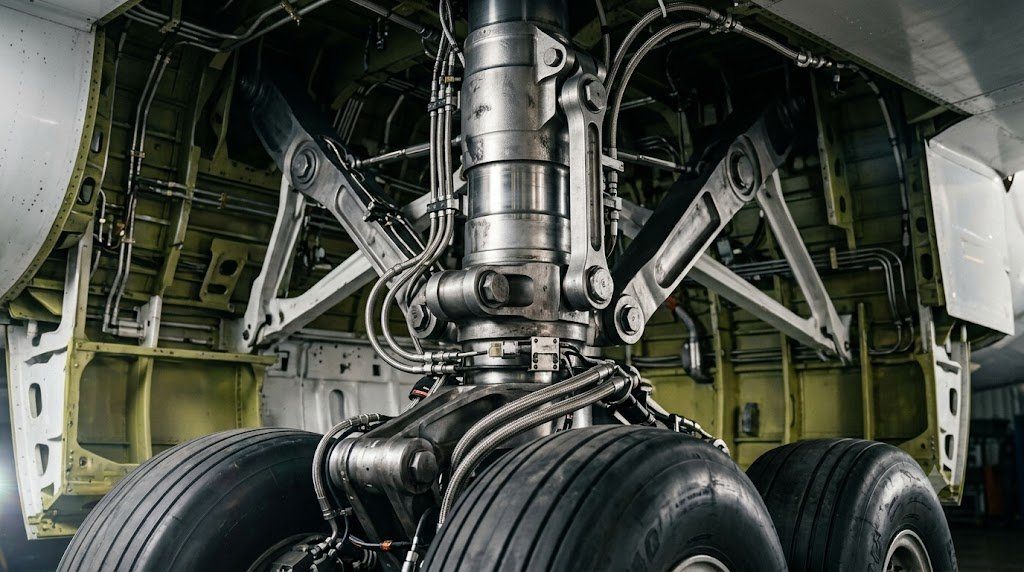
Titanium Metallurgy in Aerospace: Ti-6Al-4V Forgings, Landing Gear Dynamics and High-Cycle Fatigue

In the structural architecture of commercial and military aircraft, while carbon-fiber composites dominate extensive wing and fuselage skin surfaces, highly concentrated point loads—such as engine pylon thrust trunnions, main landing gear truck beams, and wing-to-fuselage attachment lugs—demand metals possessing extraordinary tensile yield strength, superior fracture toughness, and complete galvanic compatibility with carbon fiber. That material … Read more

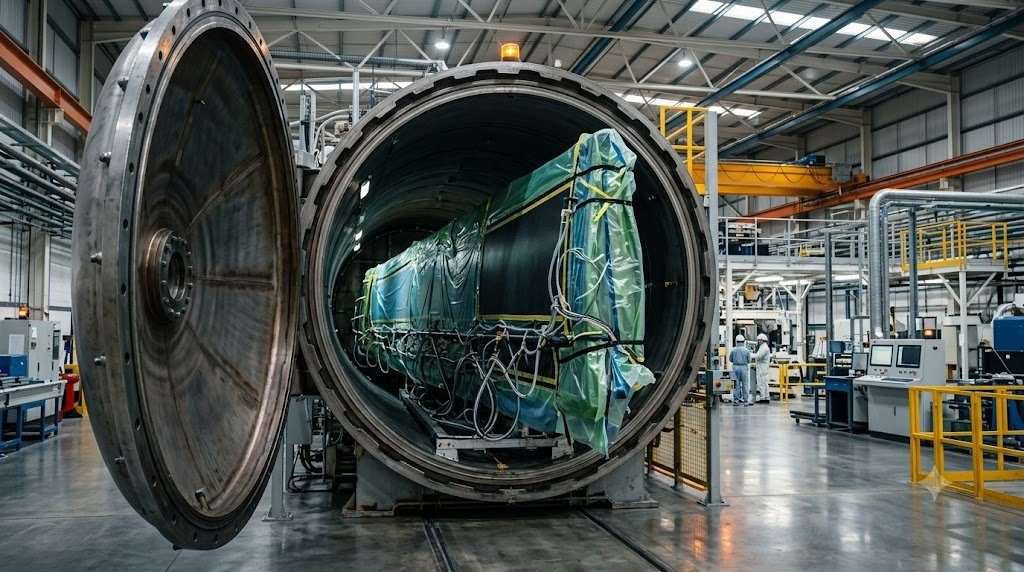
Carbon-Fiber Aerostructures: Classical Laminate Theory, Autoclave Curing and Interlaminar Delamination

The structural airframe architecture of modern commercial transport aircraft has undergone an unprecedented material revolution. While twentieth-century aircraft were constructed predominantly from riveted aluminum alloys (Al 2024 and 7075), state-of-the-art airliners—exemplified by the Boeing 787 Dreamliner and Airbus A350 XWB—feature airframes comprising over 50% to 53% advanced Carbon-Fiber Reinforced Polymer (CFRP) Composites by weight. Fabricating … Read more