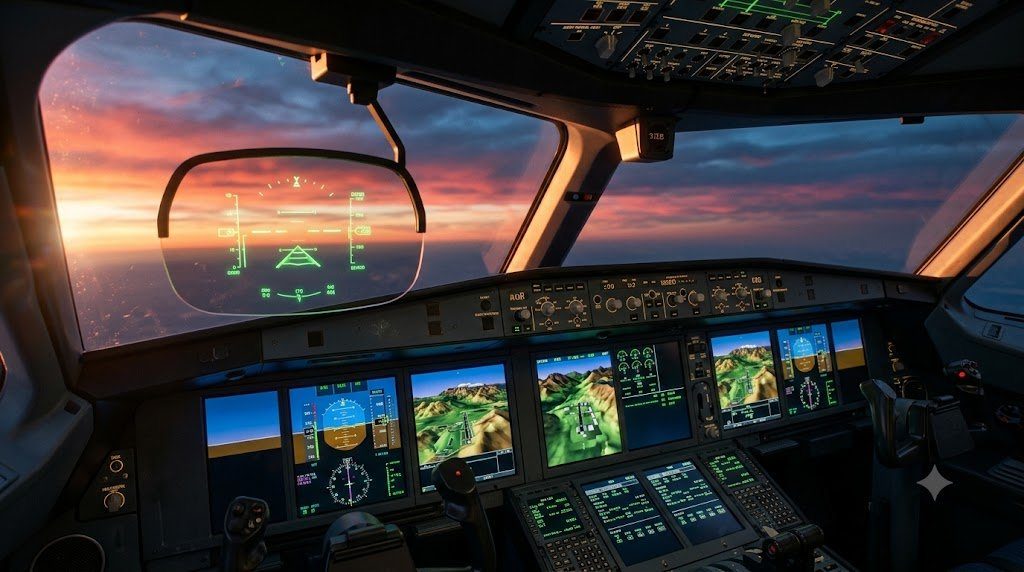
Airborne Weather Radar: X-Band Magnetrons, Slotted Planar Arrays and Predictive Windshear Detection
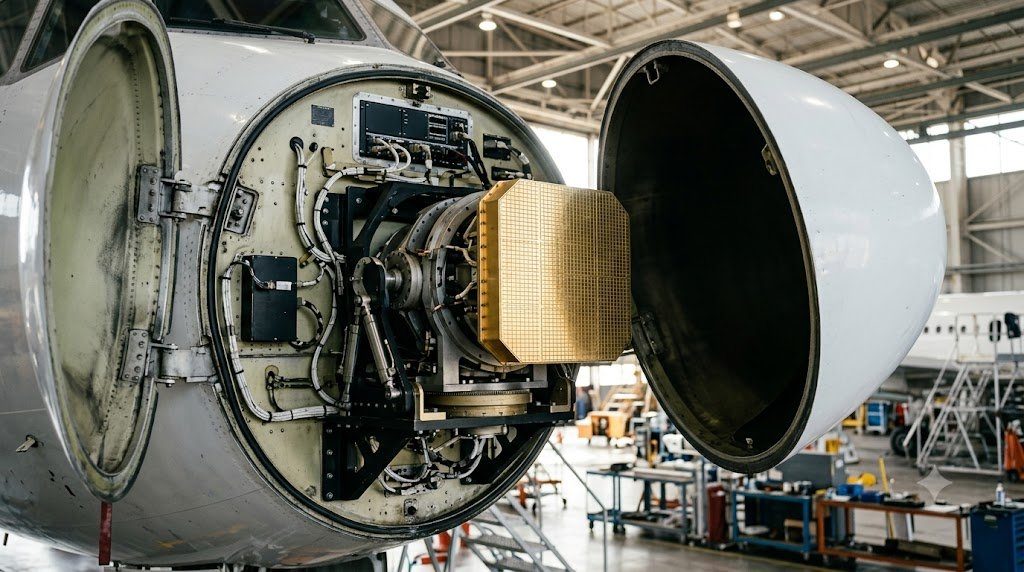
Navigating commercial air transports through active convective weather systems, violent thunderstorms, supercells, and nocturnal squall lines demands real-time meteorological intelligence. Positioned inside the radar-transparent dielectric radome on the aircraft nose, the Airborne Weather Radar System provides flight crews with high-resolution reflectivity mapping of precipitation cores, hail shafts, and catastrophic low-altitude convective microbursts via advanced Pulse-Doppler … Read more

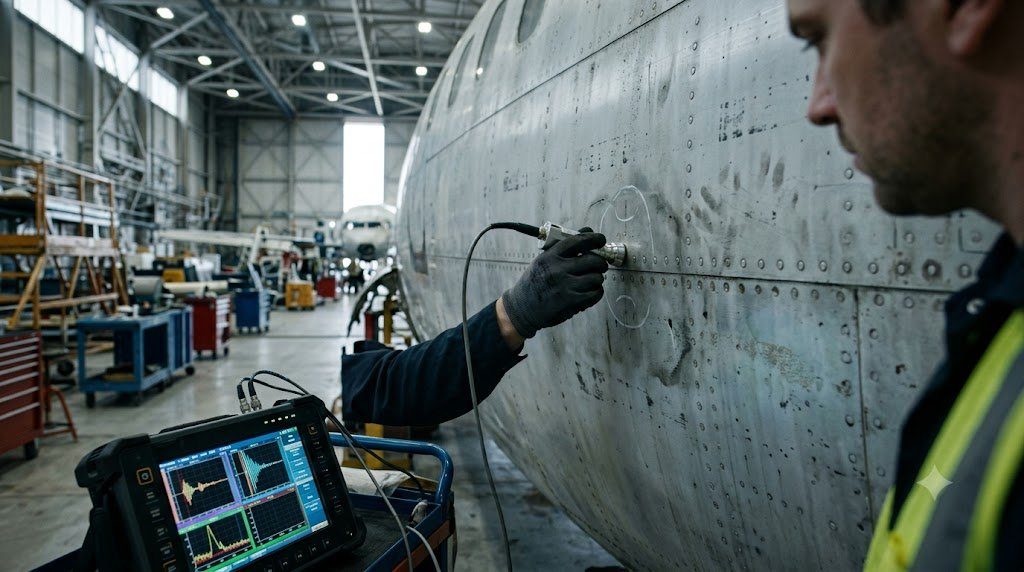
ARINC 429 Avionics Data Bus: Bipolar Return-to-Zero Signaling, Word Framing and Protocol Troubleshooting

In the digital electronics architecture of modern civil transport aircraft, reliable, deterministic data exchange between flight computers, navigation receivers, air data inertial reference units, and electronic flight displays is life-critical. Established by the Airlines Electronic Engineering Committee (AEEC) and published by Aeronautical Radio, Incorporated in the late 1970s, the ARINC 429 Digital Information Transfer System … Read more

Damage Tolerance and Fracture Mechanics: Paris’ Law Crack Growth, Widespread Fatigue and Fail-Safe Design

In the historical development of civil transport aviation, structural design philosophies have evolved through three distinct regulatory paradigms: from nineteenth-century ‘Safe-Life’ (retiring components after arbitrary flight hours), to ‘Fail-Safe’ (providing multiple structural load paths), and finally to the contemporary international regulatory benchmark: Damage Tolerance Philosophy (FAA 14 CFR 25.571 and EASA CS-25). Damage tolerance acknowledges … Read more

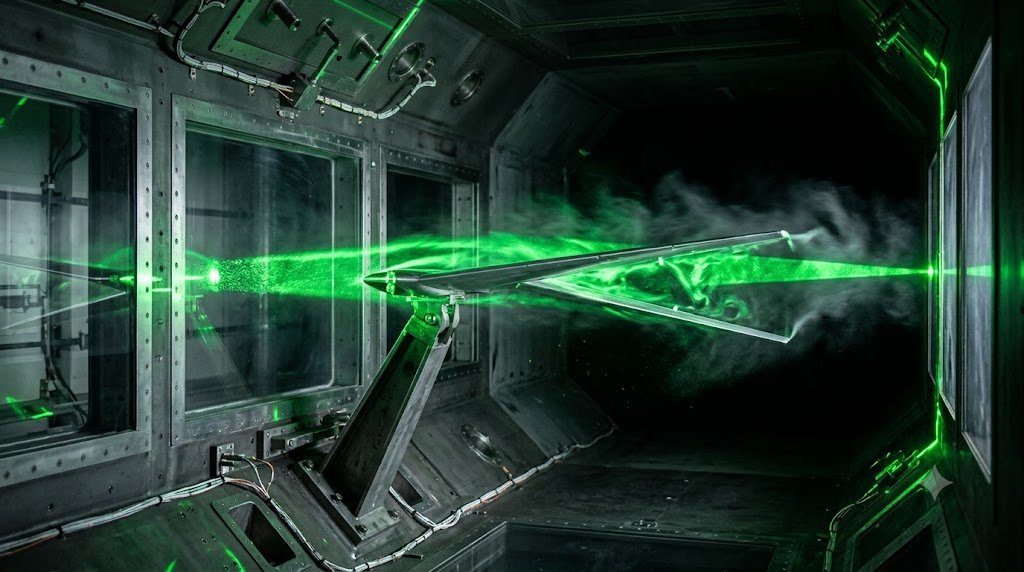
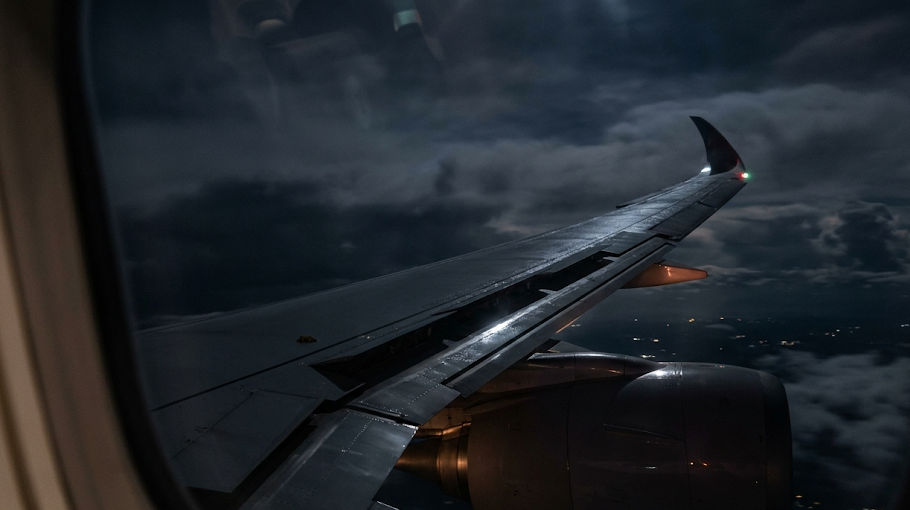
Structural Aeroelasticity: Wing Flutter Dynamics, Divergence Speeds and Limit-Cycle Oscillations

In the structural design of aircraft wings, control surfaces, and empennage assemblies, designing purely for static structural strength is catastrophic if dynamic aeromechanical coupling is ignored. Aircraft wings are flexible elastic bodies that bend and twist under aerodynamic loads. When aerodynamic forces, structural elastic restoring forces, and inertial mass forces interact dynamically, a violent, self-excited … Read more

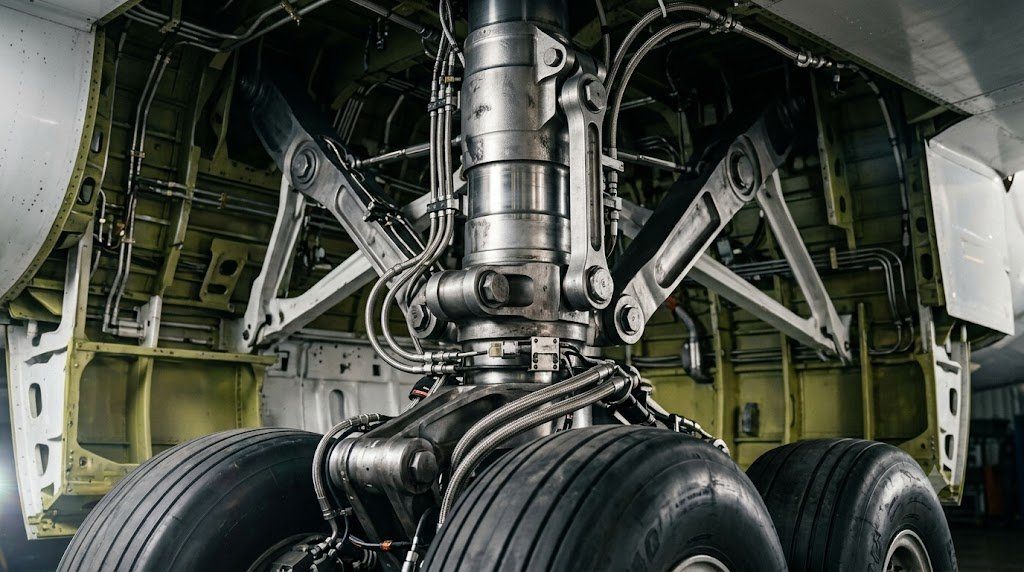
Titanium Metallurgy in Aerospace: Ti-6Al-4V Forgings, Landing Gear Dynamics and High-Cycle Fatigue

In the structural architecture of commercial and military aircraft, while carbon-fiber composites dominate extensive wing and fuselage skin surfaces, highly concentrated point loads—such as engine pylon thrust trunnions, main landing gear truck beams, and wing-to-fuselage attachment lugs—demand metals possessing extraordinary tensile yield strength, superior fracture toughness, and complete galvanic compatibility with carbon fiber. That material … Read more

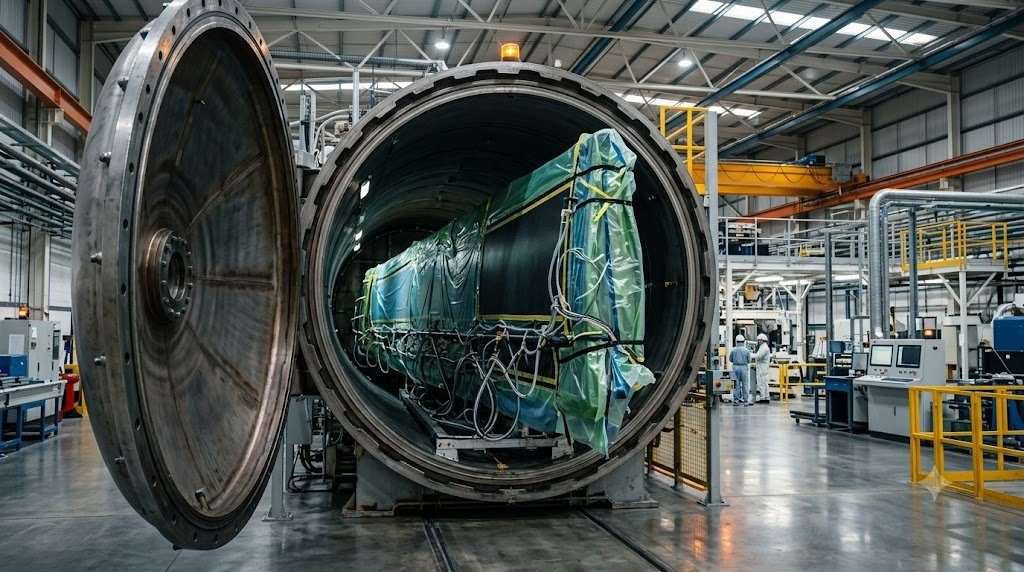
Carbon-Fiber Aerostructures: Classical Laminate Theory, Autoclave Curing and Interlaminar Delamination

The structural airframe architecture of modern commercial transport aircraft has undergone an unprecedented material revolution. While twentieth-century aircraft were constructed predominantly from riveted aluminum alloys (Al 2024 and 7075), state-of-the-art airliners—exemplified by the Boeing 787 Dreamliner and Airbus A350 XWB—feature airframes comprising over 50% to 53% advanced Carbon-Fiber Reinforced Polymer (CFRP) Composites by weight. Fabricating … Read more

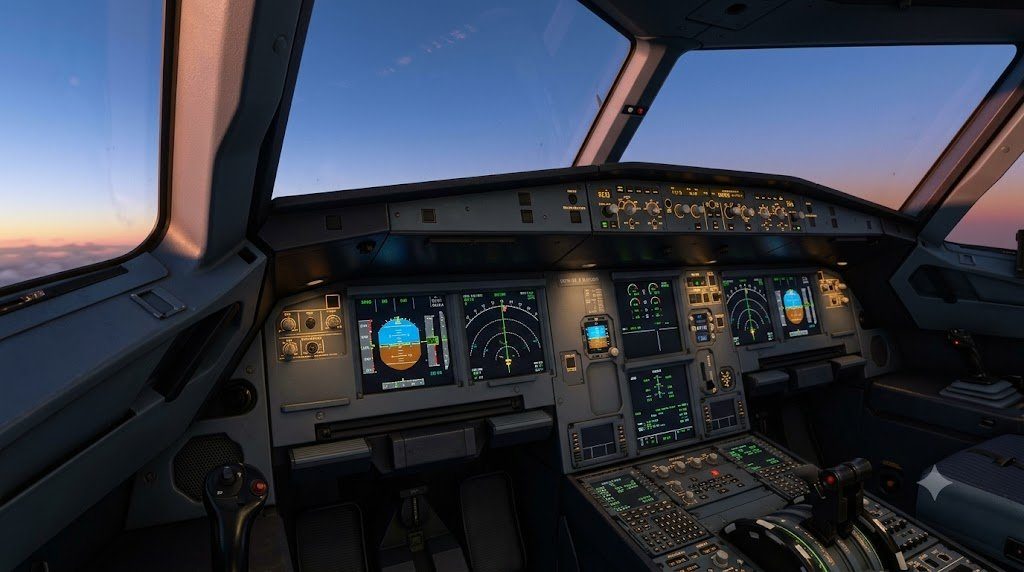
Autopilot Flight Guidance: Flight Management Systems, Kalman Navigation and Category IIIb Autoland

In the contemporary aviation ecosystem, modern transport category aircraft navigate global airway networks, optimize fuel-burn climb profiles, execute Required Navigation Performance (RNP) approaches through mountainous terrain, and land in zero-visibility fog with superhuman precision. This extraordinary operational capability is executed by the integrated Flight Guidance System (FGS)—comprising the Flight Management System (FMS), multi-sensor Kalman Filter … Read more

Environmental Control Systems: Engine Bleed Air, Air Cycle Refrigeration Machines and Ozone Catalysis

Cruising at 39,000 feet (11,800 meters) in the upper troposphere, a commercial jetliner operates in an environment profoundly hostile to human life: outside atmospheric pressure is a near-vacuum 19 to 24 kPa (compared to 101.3 kPa at sea level), ambient air temperature plunges to -56.5°C (-70°F), atmospheric oxygen partial pressure is insufficient to maintain consciousness, … Read more

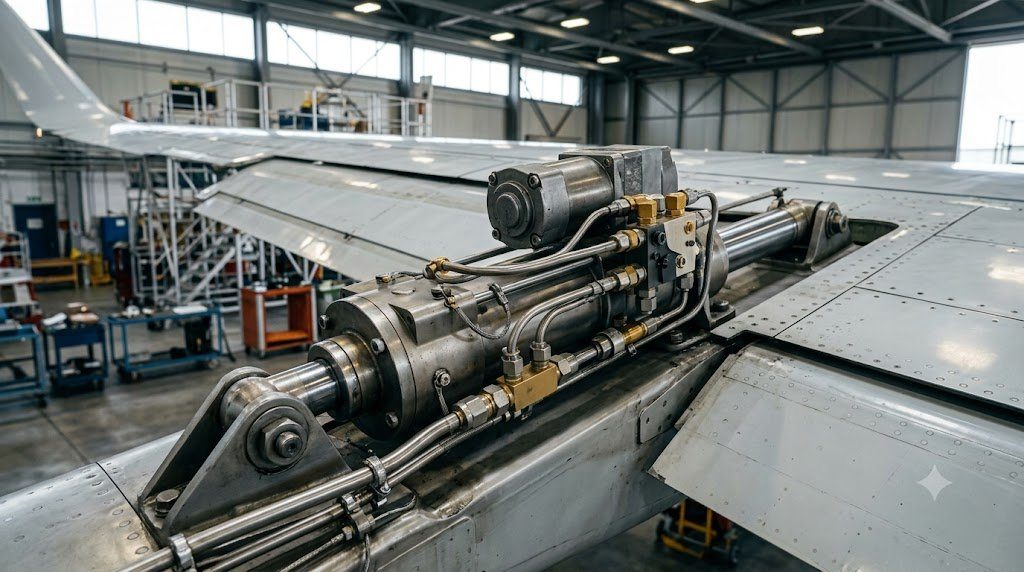
Aircraft Hydraulic Power: 3,000 vs. 5,000 PSI Systems, Electro-Hydrostatic Actuators and Fluid Degradation

Deflecting primary flight control surfaces (ailerons, elevators, rudders) and deploying heavy landing gear assemblies on commercial transport airliners cruising at transonic speeds demands extraordinary mechanical power. Under aerodynamic dynamic pressures ($q = \frac{1}{2} \rho v^2$) exceeding 15 to 25 kPa, aerodynamic hinge moments acting on an elevator can easily exceed 40,000 to 70,000 Newton-meters. Modern … Read more

Fly-by-Wire Flight Control Laws: C* Stability Augmentation, Envelope Protection and Triple Redundancy

The transition from mechanical flight control cables, pulleys, and pushrods to Fly-by-Wire (FBW) flight control architectures represents one of the most profound evolutionary milestones in civil transport and military aviation. Pioneered in commercial transport by the Airbus A320 and Boeing 777 and advanced in modern widebody aircraft (A350, B787), fly-by-wire replaces heavy hydromechanical control linkages … Read more

About Aerotechbase

About Aerotechbase

Aerotechbase is an authoritative technical resource providing in-depth analysis, comprehensive guides, and expert perspectives on Aircraft Engines • Flight Systems • Structures. We aim to equip specialists, practitioners, and enthusiasts with reliable, accurate, and actionable information.

Learn More →
Expert Research From verified industry specialists
Technical Guides Detailed workflows & analysis
Verified Quality Always updated & peer-reviewed